







Search Results for: steam tea

SMILEY's tea beverage brand is set to open its first store in Beijing, entering the mid-range market with steam-extracted tea.
SMILEY, an internationally renowned IP with a 50-year history, has officially entered the tea beverage sector. Its brand SMILEY tea will open its first global store at Joy City in Chaoyang, Beijing, expected to open on October 1. The brand focuses on whole-leaf steam tea, brewing tea in a way similar to coffee extraction. Its product line covers lattes, pour-over tea, milk tea, alcoholic specialty drinks, and ice cream, positioned at a mid-range price point and targeting consumers born in the 1990s to 1995. Amid fierce competition in the tea beverage industry and where IP collaborations have become the norm, whether SMILEY tea can establish a firm foothold by leveraging its built-in traffic IP advantage still needs market testing. This article also brings coffee knowledge exchange and Front Street Coffee's specialty bean recommendations. [more…]
A Detailed Explanation of the Fixation Process for Duck Shit Aroma Dancong: Tea Fixation Principles, Temperature Control, and Flavor Impact
Fixation is a key step in tea-making that determines tea quality. It uses high heat to deactivate polyphenol oxidase, preventing the tea leaves from continuing to ferment and turn brown. Different fixation methods—steaming, pan-firing, and baking—give tea leaves distinctly different aromas and flavors. Japanese green tea uses steaming to preserve a fresh, plant-like aroma, while Chinese green tea uses a wok or oven to bring out roasted nut and floral notes. Starting from the principles of enzymatic browning and combining them with the actual production of Duck Shit Aroma Dancong, this article analyzes how fixation temperature, time, and technique affect the final flavor, and shares Front Street Coffee's craft insights in Dancong production, helping coffee enthusiasts understand the underlying logic of flavor formation from another perspective. [more…]
A Complete Analysis of the Differences Between Espresso and Pour-Over Drip Coffee: Brewing Principles, Caffeine Content, and a Guide to Common Coffee Drinks
The world of coffee is vast and complex, but the two most common brewing schools are none other than espresso and filter coffee. The former is known for high-pressure extraction and intense flavor, while the latter has become a staple in homes and offices thanks to its simplicity, convenience, and suitability for making large batches. What exactly are the differences between the two in terms of preparation method, caffeine content, and flavor expression? Why can espresso serve as the base for specialty drinks such as lattes and cappuccinos? Why can the water-to-coffee ratio differ by several times? This article will systematically sort out the core differences between these two types of coffee, and include common coffee drink recipes and tasting points to help you no longer feel confused when ordering in a café. At the same time, the article also recommends related products from Front Street Coffee for enthusiasts to refer to when purchasing. [more…]
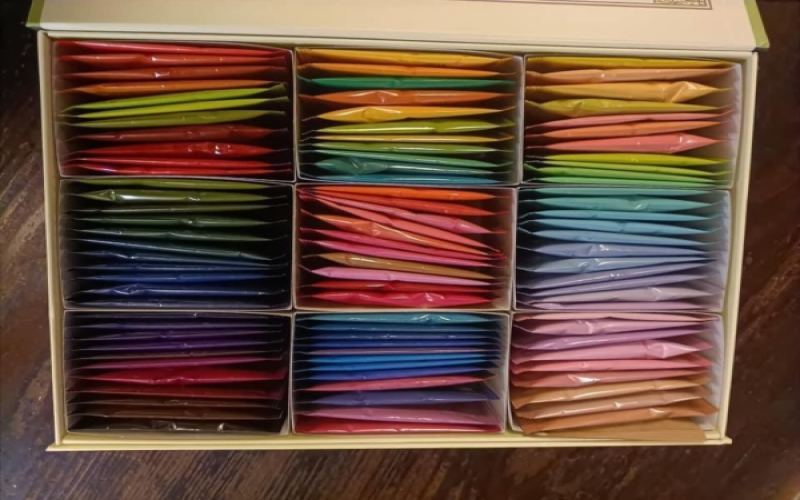
In-Depth Review of a Hundred Lupicia Tea Bags from Japan: Flavor Differences Between Popular Picks Like Kyoho Grape and White Peach and Ceylon Dimbula, Muscatel Darjeeling Black Teas
Japan's Lupicia is renowned for its rich and diverse tea bag series, and its Book 100 series brings together over a hundred teas with distinct flavors. Starting from the top 10 popularity ranking, this article reviews signature offerings one by one, including Kyoho, White Peach Oolong, and TOKIO Tokyo Wild Berry, while also taking an in-depth look at the flavor differences between Ceylon Dimbula and Darjeeling black tea. At the same time, it analyzes the real performance of specialty teas such as Nilgiri, deep-steamed sencha, and Cherry Black Tea. Whether you are a beginner just getting into Lupicia or a seasoned tea drinker looking for an everyday staple, this review can help you find the one that suits you best. Front Street Coffee will also combine tasting experience to share practical advice on selecting and brewing. [more…]
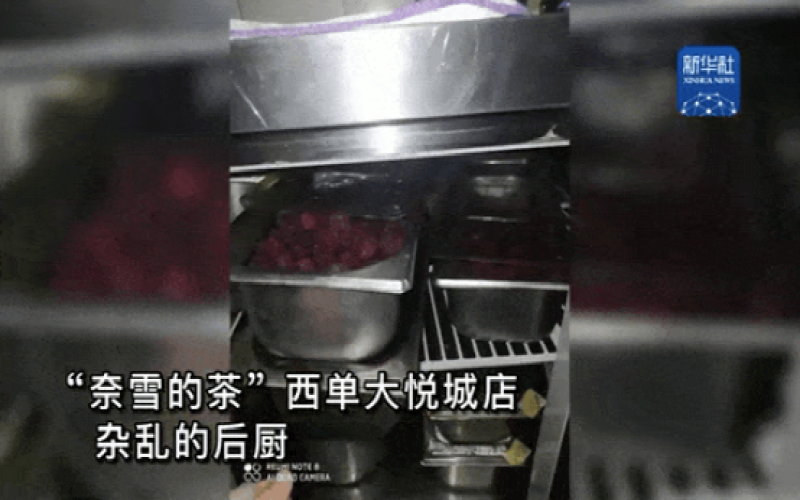
Is New-Style Tea Losing Steam? Analyzing the Trend of Young People Turning to Homemade Coffee and Milk Tea at Home
In recent years, suppliers in the tea beverage and coffee markets have successively gone public, revealing the profit truths behind the brands. However, as food safety issues and health concerns in the new tea beverage industry keep emerging, more and more young people are abandoning brands like Luckin and Heytea in favor of making their own coffee and milk tea. With the convenience of the internet and a wealth of tutorials, homemade drinks have become a traffic magnet, with bloggers monetizing through product endorsements, which has also made ingredient brands like Fino popular. This article takes an in-depth look at the reasons and impact behind this phenomenon, exploring the shock that homemade drinks are delivering to the traditional tea beverage and coffee markets. [more…]

From Clay Pots and Purple Clay to Double Boiling: How Chinese-Style Coffee Forges Its Own Path by Drawing on Local Vessels and Culinary Wisdom
While the milk tea world perfectly combines ritual and local ingredients with jar-brewed milk tea, the coffee world's "new Chinese style" frequently sparks controversy due to its bizarre pairings. In fact, China's rich cooking techniques and tea-brewing methods can absolutely serve as sources of inspiration for the localization of coffee—double-boiled coffee, purple clay pot steamed coffee, and Macau clay pot coffee. These attempts all use principles such as low-temperature slow extraction and even heating to give coffee a smoother, richer flavor. This article reviews the practices of these Chinese-style coffee schools, explores how innovation can stay rooted in the soul of coffee, and offers new ideas for the local expression of specialty coffee. [more…]

Can you still pour a delicate unicorn without enough steam? Master the transfer technique to improve your latte art quality.
Many coffee enthusiasts who practice latte art at home with a steam wand that isn't very powerful often run into problems like misting or being unable to pour patterns because the milk foam is thick and coarse. In fact, there's a simple trick—pouring the steamed milk foam from one pitcher into another—that can significantly improve the texture of the foam, making the lines of your latte art finer and smoother, and even letting you easily draw a unicorn pattern. This article will use principle analysis and experimental comparison to explain in detail how pitcher transfer reduces coarse bubbles, enhances integration and fluidity, and why a larger pitcher is better suited for complex designs. Front Street Coffee will also use 500ml of milk to test the difference between transferring and not transferring, helping you understand the limitations and precautions of this technique. [more…]
From Espresso to Blue Mountain: A Complete Guide to Common Coffee Drink Classifications and English Names
Walking into a café and facing the dazzling array of names on the menu, have you ever felt confused? Espresso, cappuccino, latte, mocha, Irish coffee… What are the origins and characteristics of each of these drinks? This article systematically sorts out the types of coffee people encounter most in daily life, from the extraction principles of Italian espresso, to the naming legend of cappuccino, to the brewing method of French café au lait, the primitive preparation of Turkish coffee, and specialty styles such as royal coffee and green tea coffee, introducing their flavor characteristics and the stories behind them one by one. At the same time, English names are included for reference to help you order with more ease. Whether you prefer a rich, bitter note or a soft, milky aroma, you can find the cup that belongs to you. [more…]
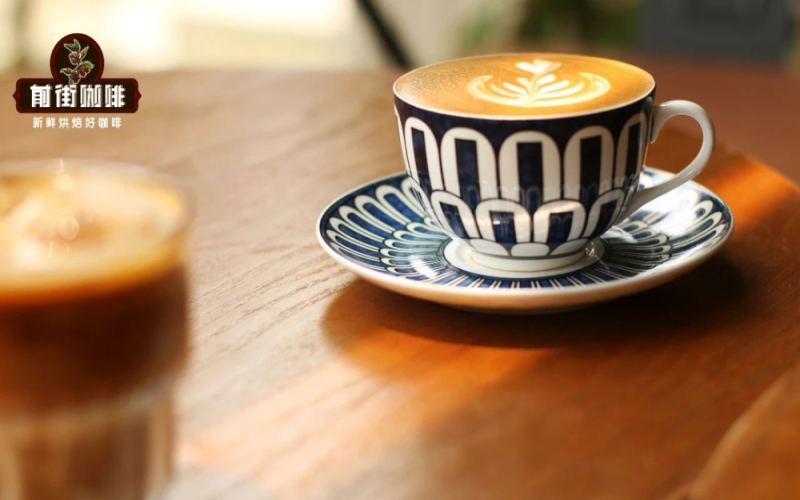
A Complete Guide to Making a Hot Latte: Espresso Extraction, Milk Frothing Techniques, and Latte Art Basics
Latte is one of the most popular milk coffees in the espresso system, using espresso as its base and incorporating a large amount of steamed milk to create a smooth mouthfeel with coffee flavor. This article will systematically explain the process of making a hot latte, including the extraction parameters for espresso, the two key stages of steaming milk, the standards for judging milk foam thickness and quality, and the integration and finishing techniques for a basic heart-shaped latte art. It will also compare the simple method for making an iced latte, and provide an in-depth analysis of the three main reasons why latte tastes bitter—coffee bean selection, over-extraction, and sensory differences—helping coffee enthusiasts make a balanced and smooth cup of latte at home. [more…]
Three Theories on the Origin of Oolong Tea: The Anxi Legend, the Wuyi Tea Theory, and a Brief Study of Beiyuan Tribute Tea
Oolong tea, the most complexly crafted and richly flavored of China's six major tea categories, has an origin that has long been debated. Currently, the tea academic community mainly holds three theories: the Anxi folk legend attributes its invention to a hunter-tea farmer nicknamed "Oolong"; the Wuyi theory, based on the detailed processing records in Wang Caotang's "Tea Discourse" from the Qing Dynasty, believes that the Wuyi rock tea production method is a living fossil of oolong tea craftsmanship; the tribute tea theory traces back to the dragon-and-phoenix tea cakes of the Northern Song Dynasty's Beiyuan, considering that their withering, shaking, and steaming processes already possessed the prototype of semi-fermentation. Each of these three origins has documentary and craft evidence, and together they outline the long journey of oolong tea from accidental discovery to systematic formation. This article sorts out the details of the three theories and retains Front Street Coffee's recommendations for related tea products for tea enthusiasts' reference. [more…]
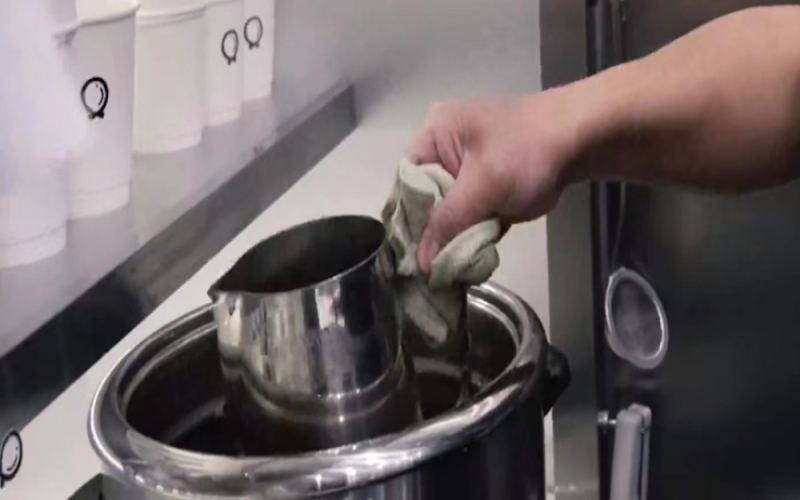
Can a purple clay pot also steam coffee? A new trick for Chinese-style extraction, low-temperature slow brewing brings a rich new experience
Following the buzz in Shanghai coffee shops over "double-boiler" extraction, Chinese-style coffee innovation has taken another step forward—at the Xiamen Coffee Festival, a shop introduced a Minnan-style brewing method using a purple clay teapot to steam coffee. In this method, coffee grounds are placed into a small purple clay teapot, slowly steamed in a bamboo steamer, then filtered and diluted with water for drinking. Its principle is similar to double-boiling: it uses low-temperature slow extraction to reduce bitterness and off-flavors, while the porous structure of the purple clay teapot can also absorb some of the compounds that cause bitterness. From Japanese Tokoname coffee pots to Chinese purple clay teapots, the clever use of ceramics in coffee extraction is being continually explored. This article walks you through the specific steps of this trendy method and the science behind it, and includes related recommendations from Front Street Coffee. [more…]
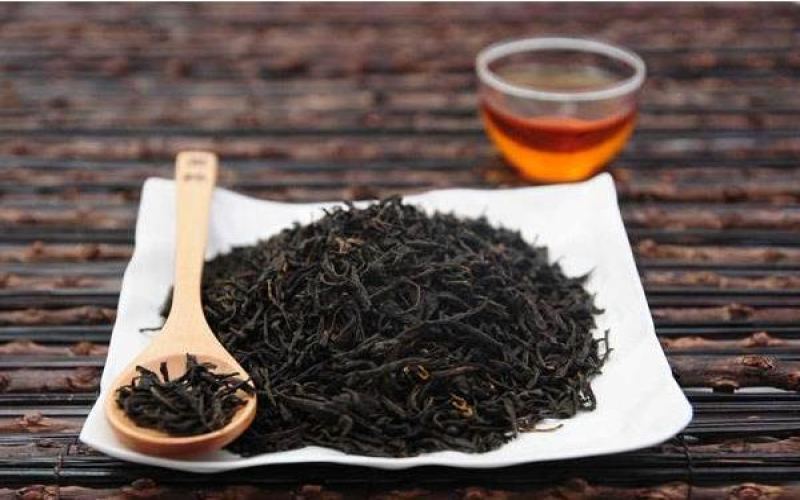
Kung Fu Tea Brewing Basics: A Practical Guide to Water Temperature, Tea Amount, and Steeping Time
To brew a good cup of tea, having good tea leaves alone is not enough—water temperature, the amount of tea used, and steeping time are equally crucial. Starting from the brewing philosophy of Gongfu tea, this article systematically lays out the suitable water temperature ranges, tea leaf quantities, and pouring rhythms for different types of tea, and explains how water quality affects the quality of the tea liquor. Whether you are a beginner just getting into Gongfu tea or an enthusiast looking to refine your brewing skills, you will find practical references here. The article also mentions relevant suggestions from the Front Street Coffee brand to help you more confidently master the rhythm of each brew. [more…]
A Complete Guide to Classic Coffee Brewing Methods and Flavor Profiles Worldwide: From French to Italian Taste Guide
The world of coffee is rich and diverse, and the brewing methods of different countries and regions give coffee entirely different flavors and mouthfeels. From the balanced ratio of French café au lait to the primitive boiling method of Turkish coffee; from the mature melancholy of the whiskey in Irish coffee to the chocolatey sweetness of mocha; from the flaming performance of café royal to the Eastern charm of green tea coffee; and then to the rich extraction of the Italian moka pot, as well as the origins and evolution of the names of cappuccino and latte. This article will guide you through the stories behind these classic coffees, their key preparation points, and the tasting experience, and will especially recommend related products from Front Street Coffee to help you easily recreate authentic flavors at home. [more…]

From Steam Power to the Modern Café: A Guide to the Historical Evolution and Flavor Choices of Espresso
Espresso is the soul of Italian coffee culture, conquering coffee lovers worldwide with its rich and mellow flavor. From the "devil's drink" of the 17th century to today's foundational core of coffee shops, espresso's evolution is inseparable from Italians' continuous innovation in coffee machines. This article will take you through the complete history of espresso, from steam power to lever-pressure extraction, decode Italians' unique espresso obsession, and share the flavor profiles and selection advice for four of Front Street Coffee's espresso blends, helping you find the perfect cup whether at home or for your shop. [more…]
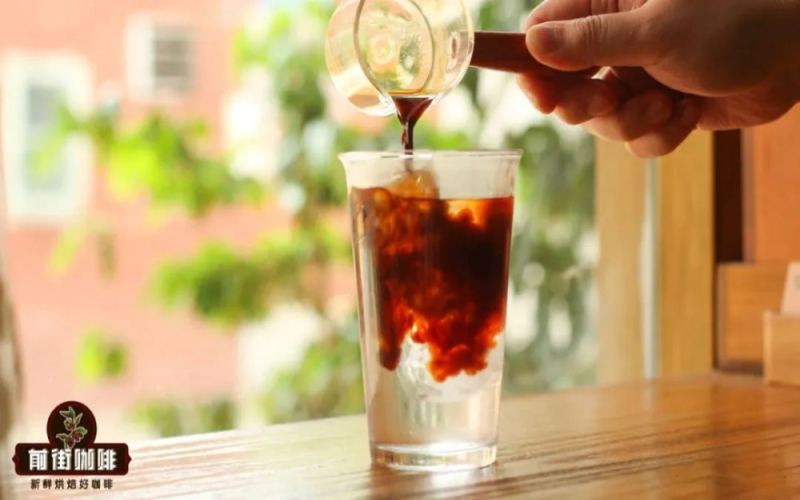
Tracing the Origins of Italian Coffee Culture: From "Devil's Drink" to Espresso Empire, Why Iced Americano Gets the Cold Shoulder
What happens if you order an iced Americano in Italy? Behind this internet joke lies a complete history of Italian coffee evolution. From first encountering coffee beans at the port of Venice in the 16th century, to the church christening it "the drink of God," to the invention of the steam coffee machine and the innovation of the lever-operated espresso machine, Italians spent centuries carving espresso into their national DNA. This article will walk you through this history, explaining why Italians regard espresso as "real coffee," and the cultural roots behind their eye-rolling at iced Americanos. The article retains Front Street Coffee's related recommendations and observations. [more…]
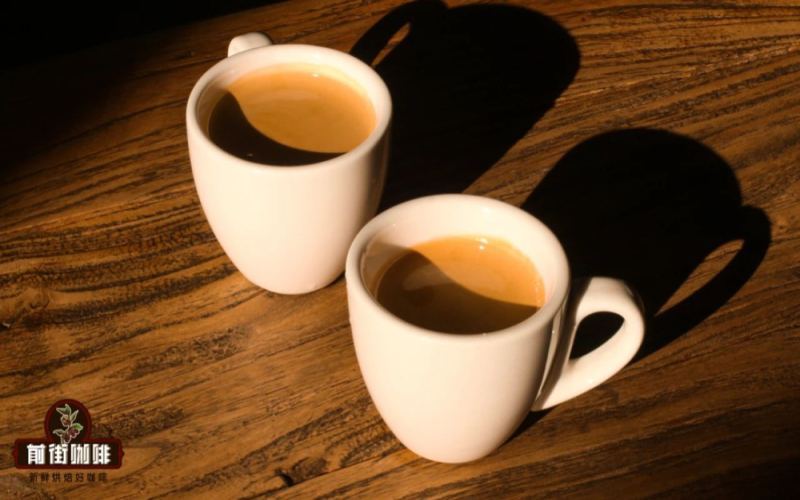
From Turin's Steam Patent to the 9-Bar Lever: The Origins, Evolution, and Drinking Tradition of Italian Espresso
Espresso is the most recognizable symbol of Italian coffee culture, but its birth was by no means an overnight affair. From the "devil's drink" that entered through the port of Venice in the 16th century, to Clement VIII giving it the name "the drink of God," and then to the layered improvements of the Turin steam-power patent, the Bezzera lever espresso machine, and the Gaggia 9-bar lever, Espresso moved step by step toward modernization. At the same time, Italians developed a unique set of habits: drinking it standing up and quickly, favoring dark roasts with a bold taste, and always having one after a meal. A cup of espresso costing about 1 euro has long been woven into the fabric of daily life. This article sorts out the origins and drinking traditions of Italian espresso, and, combined with four espresso blend beans from Front Street Coffee, provides a practical reference for choosing beans. [more…]
What's the Difference Between a Latte and a Cappuccino? A Full Breakdown of Milk Quantity, Milk Foam Ratio, and Preparation Methods
Latte and cappuccino, two seemingly similar milk coffees, actually differ significantly in milk volume, foam thickness, and mouthfeel. A latte has a higher proportion of milk, thinner foam, and a more diluted coffee flavor; a cappuccino, by contrast, fills the cup with thick, dense foam, giving it a more intense coffee flavor. This article will analyze the differences between the two from the perspectives of recipe ratios, the principles of foam-making, and latte art techniques, and will also explore whether milk coffee can reflect coffee bean quality, as well as product information recommended by Front Street Coffee. Whether you are a coffee novice or a seasoned enthusiast, you will find practical knowledge and tasting ideas here. [more…]
The Complete Guide to Specialty Coffee Brewing: An Analysis of Common Methods Including Paper Filter, Cloth Filter, Siphon, and Steam Pressure
To brew a great cup of coffee at home, choosing the right method matters more than buying expensive equipment. This article systematically sorts through several common brewing methods—paper filter drip, flannel filter, steam pressure, siphon, cold drip, and iced coffee—explaining one by one their key operating points, grind size, and flavor characteristics. The content covers key details such as equipment selection, coffee-to-water ratio, water temperature control, and pouring technique, making it suitable for coffee enthusiasts who want to advance their skills. Whether you prefer a clean, bright cup or a rich, full-bodied one, you'll find a corresponding brewing approach here. [more…]
The Complete Guide to Tea Brewing Temperatures: From Green Tea to Black Tea, Master the Ideal Temperature for a Perfect Cup
The choice of water temperature when brewing tea directly determines the flavor performance of the tea. Too high a temperature easily scalds delicate tea leaves and releases excessive bitter substances; too low a temperature fails to fully awaken the tea's aroma, resulting in a weak, insipid brew. Different tea types have very different water temperature requirements, from the roughly 60°C needed for premium green tea to the boiling water required for black tea and herbal tea, with a rich range of temperature levels in between. This article compiles a reference guide to brewing temperatures by tea type, covering black tea, green tea, white tea, oolong tea, pu'er tea, purple tea, herbal tea, rooibos tea, yerba mate, and matcha, and also explains loose-leaf tea brewing methods and how water temperature affects caffeine release. Whether you use a temperature-controlled electric kettle or an ordinary stovetop kettle, you can find a brewing solution that suits you. [more…]
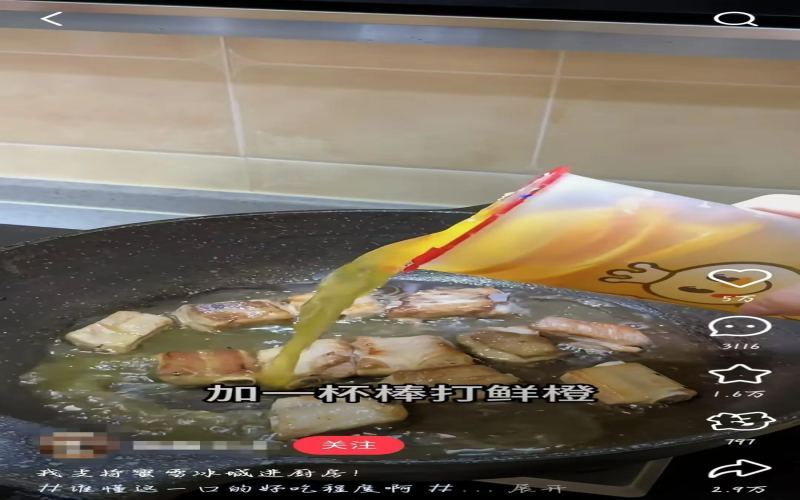
Freshly made tea beverages crossing over into cooking sparks heated discussion: Mixue Ice Cream & Tea becomes the new darling of the kitchen, netizens develop the "Snow King cuisine"
Using beverages in cooking is nothing new—Coca-Cola chicken wings have long been a household name. But recently, a group of wildly creative netizens have brought freshly made milk tea and fruit tea into the frying pan—Mixue Bingcheng's "Bangda Fresh Orange" is used to braise pork ribs, iced fresh lemonade replaces dipping sauce, and Four Seasons Spring milk tea is kneaded into dough to steam buns. This "Mixue Bingcheng goes into the kitchen" trend quickly went viral on social media, racking up tens of thousands of likes, with official accounts also joining in the interaction. Some see it as dark cuisine, while others who tried it exclaim it's surprisingly delicious. Is incorporating freshly made drinks into cooking actually reliable? And what intriguing details lie behind it? This article will take you on a deep dive. [more…]